
The Economies of Scale: Trunk Tamales
America's informal economy hums in the parking lots-where women sell hope wrapped in corn husks, three dollars at a time.
_______________________________________
by Christopher Rael October 29, 2025
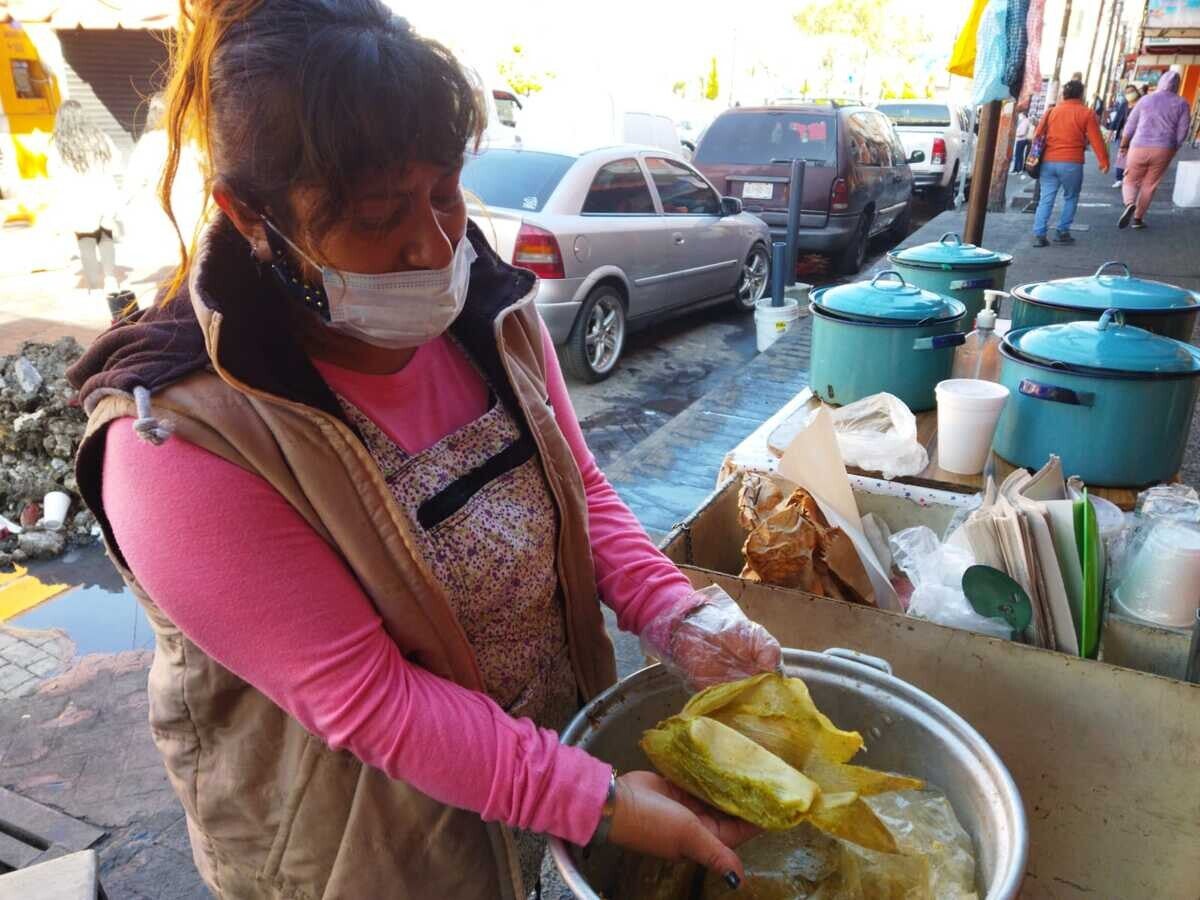
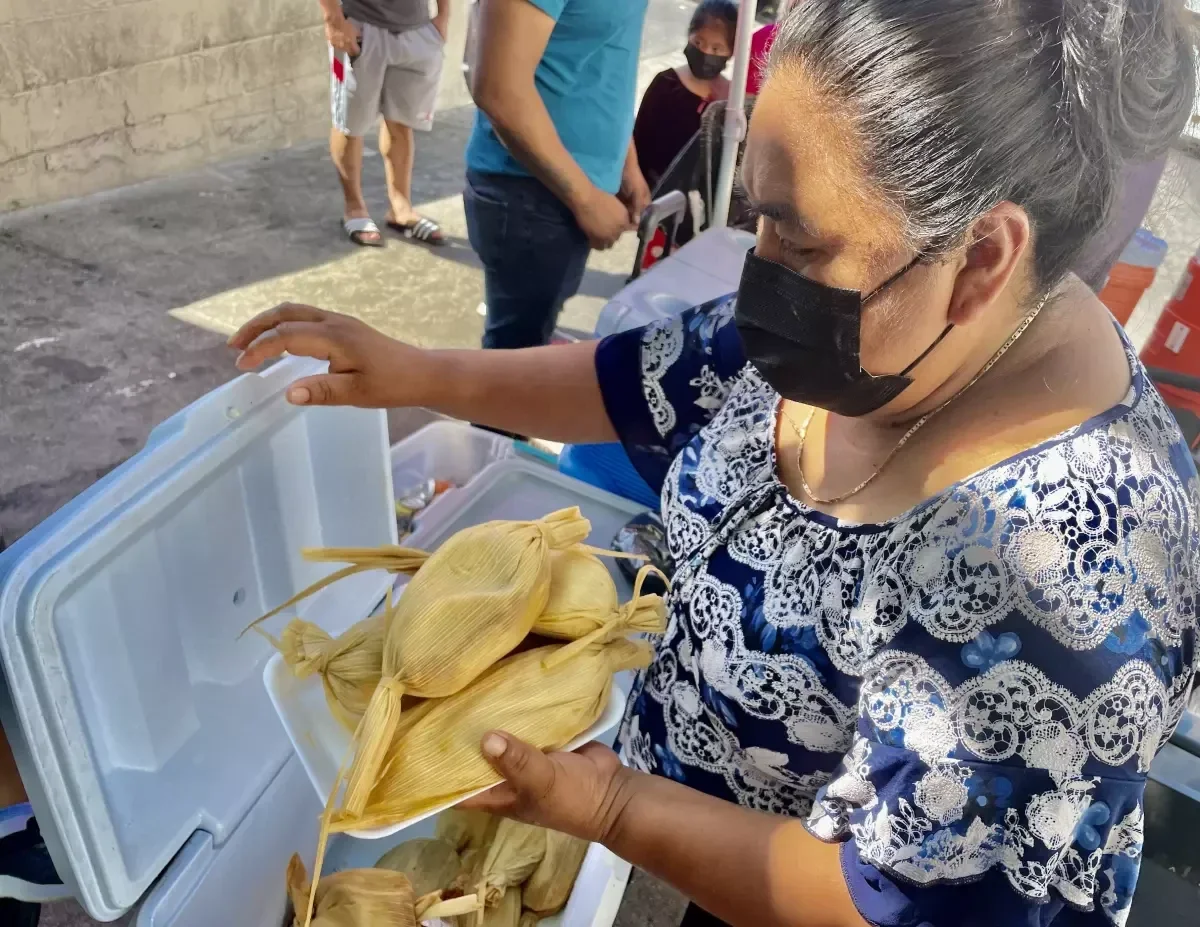
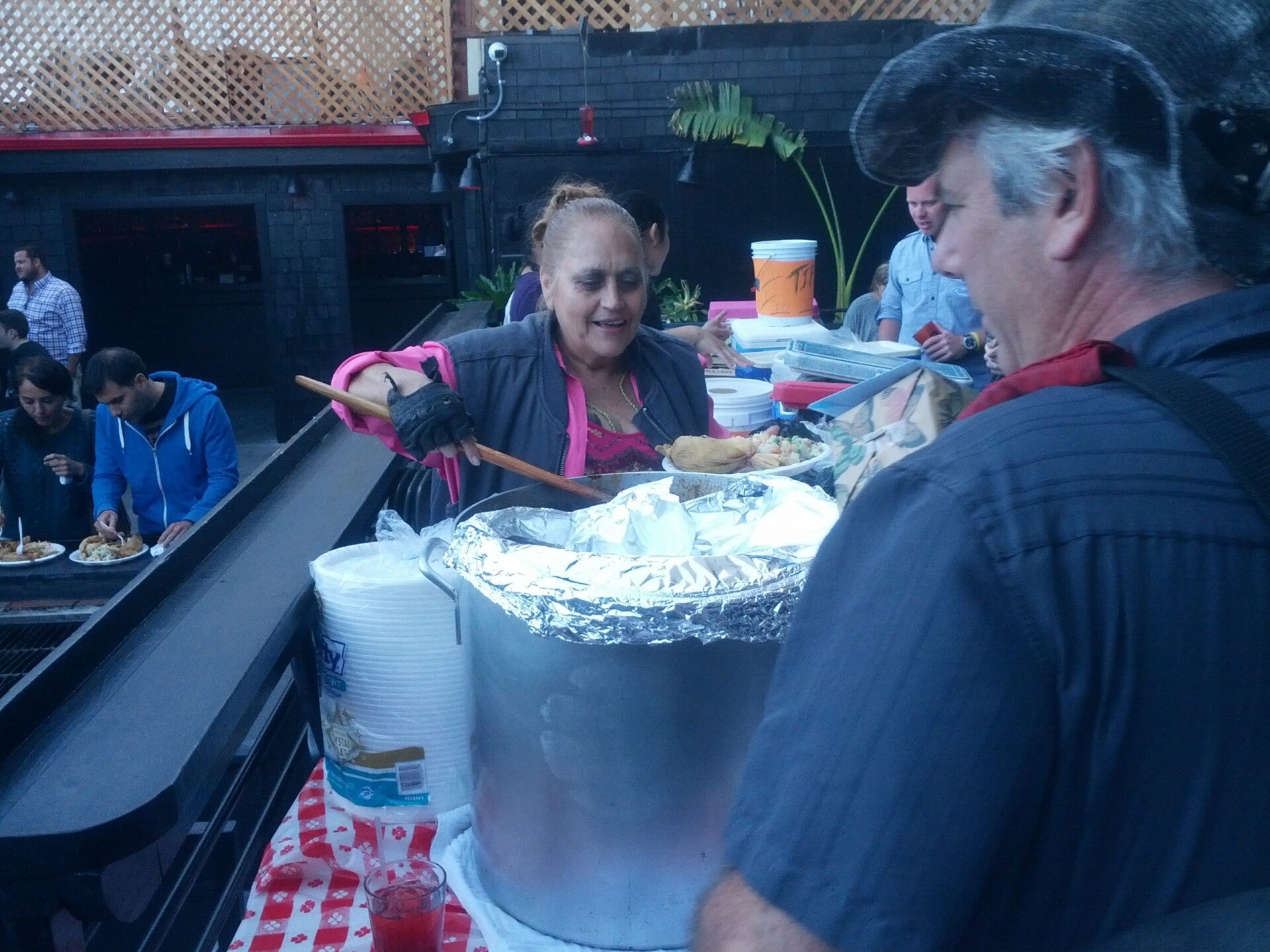
In the evening the parking lot of La Carnicería Cardenas, the air smells like masa and exhaust. Women in hoodies and aprons hover over the open trunks of their cars, steam rising from aluminum trays stacked high with tamales wrapped in corn husks — chicken in red sauce, pork in green, rajas with cheese. There’s a rhythm to the operation, a choreography: one woman ladling salsa into Ziploc bags, another counting out bills, another shouting prices across the cracked asphalt.
This is the informal economy in motion — the true American marketplace.
They call it trabajo del corazón — heart work — but it’s also survival work. In the wreckage of a U.S. economy that promises “opportunity” but delivers precarity, these women — mothers, aunties, abuelas — sell tamales from the trunks of their Toyotas and Nissans, because what else can they do? Rent is up. Groceries are up. The kids need shoes. ICE patrols the county roads like it’s still 2018, and though the news says America is “recovering,” no one down here feels the recovery in their wallets.
You can see it in their eyes — the calculus of scale.
How many tamales can fit in a trunk?
How many dozens must be sold to pay the light bill?
How long can you stay before someone calls the cops or the health department?
The Auction of Hunger
It used to be just one woman who sold tamales here. Then another woman showed up. Then two more. And suddenly, the parking lot turned into a marketplace, then a battlefield. It wasn’t violent — it was economic Darwinism, American-style.
“Tres dólares, three dollars!” yelled one, waving a plastic baggie at a man pushing a shopping cart.
“Dos y cincuenta! Two fifty!” shouted another, her voice cracking in the dry heat.
It became a carnival. The trunk-tamale economy had reached its natural stage of competition. Supply outpaced demand, and suddenly the women were shouting over one another, offering discounts, bundling deals — a dozen for $25, free salsa if you buy two. It was absurd and holy and tragic all at once, a perfect microcosm of capitalism itself: a war fought in nickels and dimes, in corn husks and car trunks.
They had, without knowing it, entered the world of economies of scale. The same logic that drives Amazon to crush its competitors, that lets Walmart demand cents off the price of a T-shirt made in Bangladesh, now applied to tamales in a strip mall parking lot.
Scales, Seen and Unseen
Economists talk about “scale” like it’s an invisible god — the bigger you get, the more efficient you become. But out here, scale means something different. It’s the scale of survival.
A woman selling tamales from her trunk doesn’t have the luxury of scaling up. She can’t get an SBA loan. She doesn’t have a tax ID or a commercial kitchen. Her “supply chain” is her cousin bringing masa in the back of a minivan. Her “labor force” is her teenage daughter helping at dawn before school.
Meanwhile, in the same America, corporations post quarterly profits measured in billions. Executives get bonuses for “cutting inefficiencies,” which is just another word for people. At the top of the scale, wealth multiplies itself. At the bottom, it’s a daily arithmetic of gas money and grocery lists.
One lady’s tamale is another man’s stock option.
The True Cost of Cheap Tamales
What’s astonishing is how Americans, as a whole, have come to mirror this parking lot — scrapping for margin, discounting their lives just to survive another week. Everyone’s hustling something. The Uber driver, the OnlyFans creator, the Etsy candle maker, the temp worker logging in from a kitchen table. This is the gig economy made flesh, wrapped in corn husk and foil.
There’s a cruel irony in watching a woman with no papers master the principles of market competition more intuitively than a Harvard MBA. She knows her margins. She knows her demand curve. She knows that dropping her price by fifty cents could mean selling out — or walking home with cold tamales and nothing to show for it.
This is capitalism without safety nets, regulation, or ceremony. It’s what happens when you strip the system down to its bones. A pure experiment in survival.

The Smallest Unit of the American Economy
Sometimes, late in the day, the women stop shouting. They stand together, sipping coffee, talking softly in Spanish about rent hikes and missing family back home. The competition fades into community again. One woman gives another a few extra tamales “for the kids.” They trade gossip, recipes, prayers. They laugh.
There’s an invisible grace in that moment — the human scale that capitalism forgets.
And as the sun dips behind the carnicería, and the lot empties, the last of the tamales are packed away into trunks, warm and fragrant. The women drive home through the fractured American landscape, through neighborhoods hollowed out by inflation and greed, carrying with them the smallest — and truest — economy there is:
A dozen tamales for twenty-five dollars.
A week’s hope, wrapped in husks.
Chris Rael is a writer and social commentator whose work examines the intersections of culture, people, and place in a rapidly changing America.
